Film Reviews
By Naran
The Unsung Heroes of Nepali Cinema
This article celebrates the often-overlooked supporting actors of Nepali cinema, highlighting the memorable performances of Abhay Raj Baral, Padam Tamang, and Manil Tamang. Through subtlety, authenticity, humour, and restraint, these actors bring depth to their characters and make cinematic worlds feel alive. It is a tribute to the unsung heroes standing beside the spotlight.
Antim Geet: What Remains After the Final Curtain
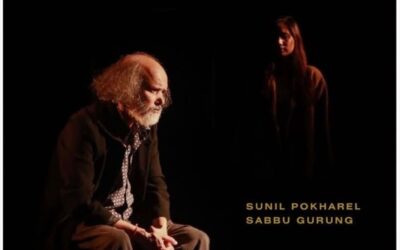
For me, Antim Geet is ultimately about the strange distance between an ending and a new beginning. Vasili believes his greatest days are behind him, yet the stage gives him one more moment to rediscover himself. Sunil Pokharel makes that rediscovery deeply personal, reminding us that great artists continue to grow, evolve and find new ways to speak.
Jaye Lakhay: A Visually Daring Leap for Nepali Animation
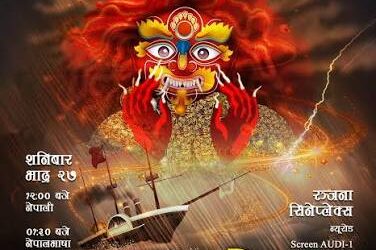
Jaye Lakhay is a visually striking and imaginative addition to Nepali animation. Its dreamlike artwork, distinctive visual identity, rich mythology and evocative musical score create a memorable cinematic experience. The film is filled with ambition, atmosphere and a wonderful sense of wonder, while its storytelling offers gentle room for further development and refinement.
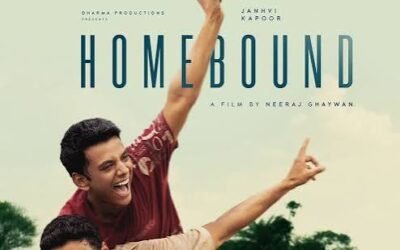
Neeraj Ghaywan: Humanism, Caste and the Evolution of Indian Parallel Cinema
Neeraj Ghaywan’s cinema extends the realist traditions of Satyajit Ray and Shyam Benegal while addressing contemporary India’s urgent concerns with caste, identity and representation. His work blends social realism with a distinctly twenty-first-century perspective on inequality, empathy and cinematic expression.
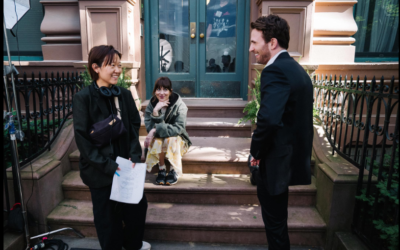
Celine Song’s Films and the Quiet Ache of the Lives We Don’t Live
Celine Song’s Past Lives and Materialists explore love, memory, and the choices that shape our lives. With emotional precision and quiet honesty, Song examines longing, identity, and modern relationships, creating films that reveal the beauty and complexity of human connection, missed opportunities, and the paths we leave behind.
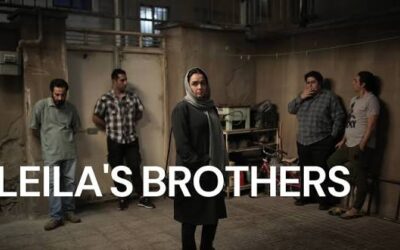
Leila’s Brothers
Saeed Roustayi’s Leila’s Brothers is a powerful portrait of family, sacrifice, and survival amid Iran’s economic struggles. Through Leila’s relentless efforts to hold her family together, the film explores patriarchy, social pressure, and quiet resilience with remarkable honesty, revealing the emotional weight of everyday struggles and unspoken obligations.

Ullozhukku
Christo Tomy’s Ullozhukku transforms a flood-stricken family tragedy into a profound exploration of grief, love, and hidden truths. Through restrained storytelling and powerful performances by Parvathy Thiruvothu and Urvashi, the film examines the fragile boundaries between duty, desire, and emotional survival with remarkable sensitivity and quiet intensity.
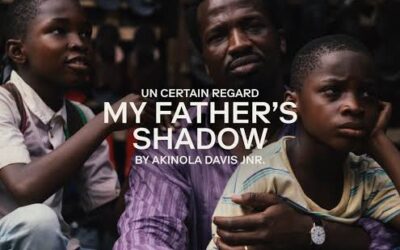
My Father’s Shadow
Akinola Davies Jr.’s My Father’s Shadow transforms Nigeria’s 1993 political turmoil into an intimate story of fatherhood, memory, and family. Through the eyes of two young brothers, the film explores how national uncertainty leaves lasting emotional scars while delivering a deeply moving portrait of love, absence, and reconciliation.